How AI becomes a Strategic Driver for Manufacturing

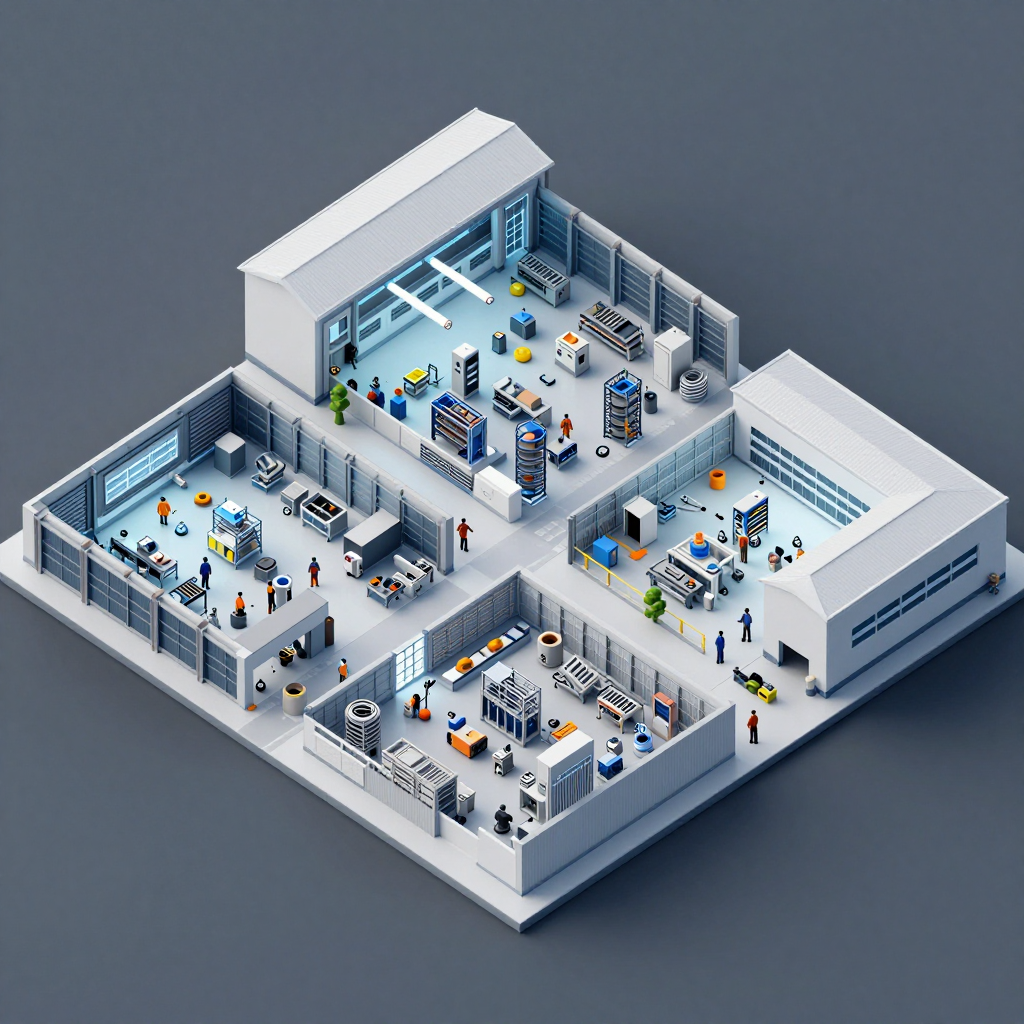
In the next few years, every manufacturing leader will feel this shift.
AI will stop being an “IT project” and become a core business strategy.
Rising input costs, chronic labour gaps, fragile supply chains, and pressure for mass customisation are forcing a rethink. The next generation of manufacturers won’t just use AI — they’ll organise their entire operating model around it.
Here’s how I see that pivot playing out.
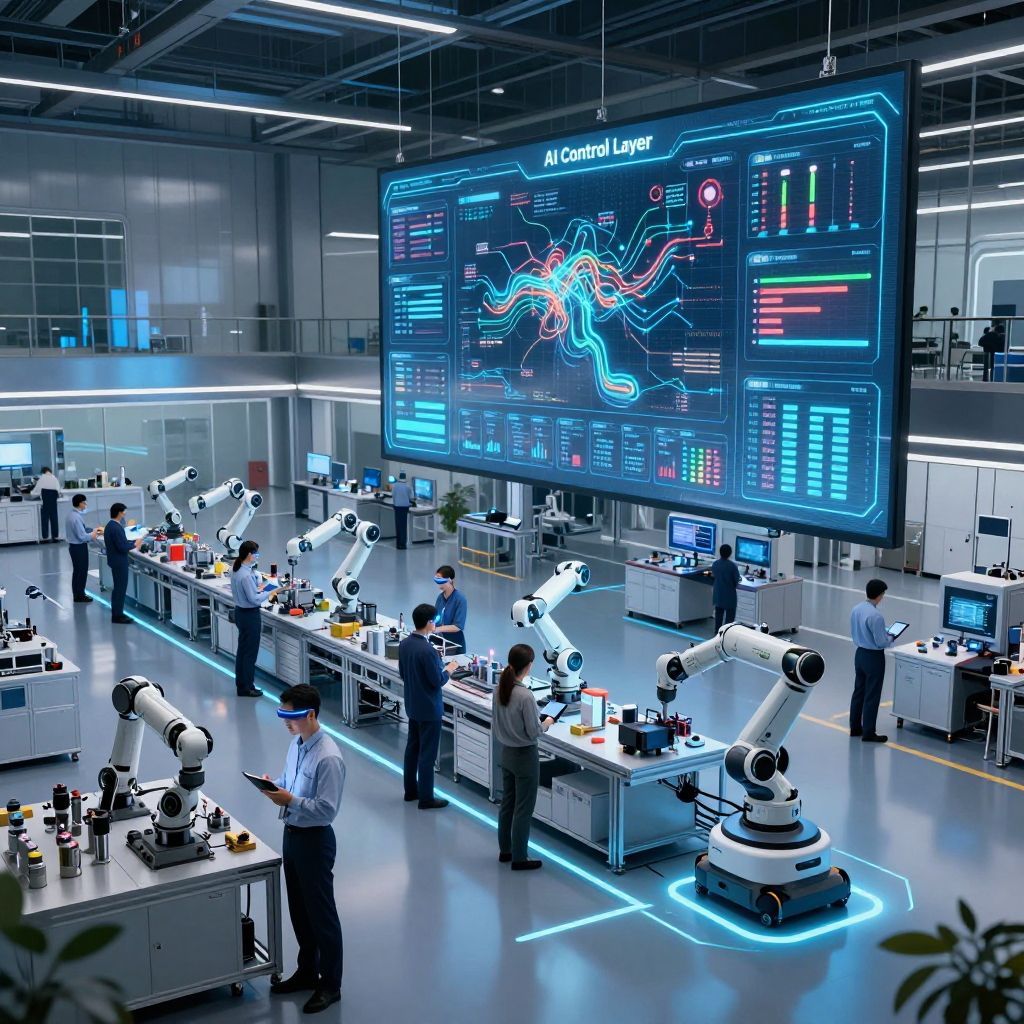
From point solutions to a coordinated AI “control layer”
Today, many plants experiment with AI in islands: a predictive model here, a quality tool there. Over the next few years, those pieces will start to connect into a strategic control layer that sits across the whole operation.
Imagine when a single AI layer can:
- Predict equipment failures long before they happen
- Adjust production schedules automatically based on supply-chain risk
- Tune energy and lighting systems in real time based on occupancy and machine load
- Orchestrate human and robotic labour as one integrated workforce
We’re already seeing early signals of this in smart buildings. For example, we're starting to see occupancy-sensing platforms using AI to infer how spaces are actually used, rather than just where sensors are tripped. Translate that into manufacturing, and you get plants where:
- Lighting follows actual human activity, not static time schedules
- Core plant services scale up or down based on true production demand, not static assumptions
- Space is dynamically reallocated based on real utilisation
That same AI reasoning about space and activity will become strategic infrastructure on the factory floor.
Why this matters: AI as a board-level lever
When AI reliably predicts equipment issues, optimises line changeovers, and aligns output with real-time demand, it stops being a “nice-to-have efficiency tool.”
AI becomes a direct driver of:
- Cost position – Reduced downtime, lower scrap, and smarter energy usage compound into margin.
- Resilience – AI will continuously re-plan around supply disruptions, labour gaps, or demand spikes.
- Customer experience – Mass customisation becomes practical when AI designs, schedules, and sequences micro-batches automatically.
Boards and executives will start asking a different question:
Not “What AI tools are we trying?” but “How dependent is our strategy on AI, and do we have the data, infrastructure, and skills to support that?”
That’s a very different conversation.
The convergence with lighting and smart infrastructure
I’m particularly interested in what happens when AI-native manufacturing meets AI-native buildings.
Occupancy sensing, environmental monitoring, and lighting controls will evolve from separate systems into a shared sensor fabric for the factory.
Picture a plant where, in real time:
- Overhead lighting adjusts not just to presence, but to the task: inspection, assembly, packaging, or maintenance
- Visual inspection systems and human operators get optimised lighting profiles automatically for accuracy and reduced fatigue
- Safety lighting dynamically responds to traffic, lifting operations, or emergency routing
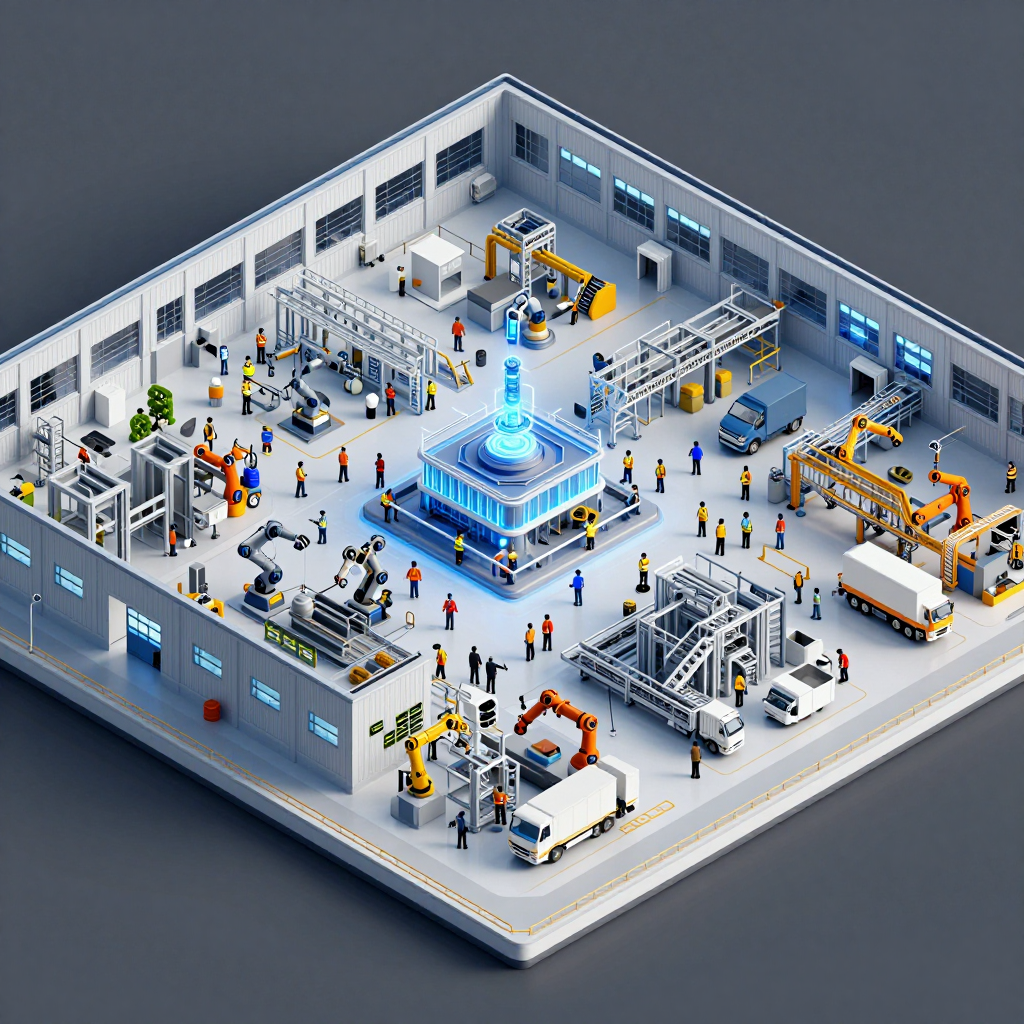
The same AI that predicts line failures could also predict where better lighting, layout changes, or shift patterns will improve throughput and safety.
AI stops being just “inside the machines” and becomes an orchestration layer across machines, people, and space.
A practical takeaway for manufacturers right now
If you’re leading a manufacturing organisation, the most strategic move in the next 12–24 months won’t be a specific AI tool.
It will be designing for an AI-centric future:
- Map your decision points. Where do people today make repeated, data-rich decisions (scheduling, maintenance, quality, energy, layout)? Those are your first candidates for strategic AI.
- Treat data as an asset, not exhaust. Start improving how you collect, label, and govern data from production, energy, logistics, and occupancy/space use. That data will power your future control layer.
- Connect OT + IT + facilities. Bring manufacturing, building operations, and digital teams into the same roadmap. The most powerful AI gains will happen at the intersections.
We’re moving toward factories that anticipate rather than react — where AI quietly aligns machines, people, and buildings to deliver exactly what’s needed, when it’s needed, with minimal waste.
The strategic question is shifting from “Should we adopt AI?” to “What kind of manufacturer do we want to become in an AI-first world?”
How are you preparing your plants — and your teams — for AI to move from side project to the central driver of manufacturing strategy?
#manufacturing #artificialintelligence #industry40 #smartfactory #lighting